

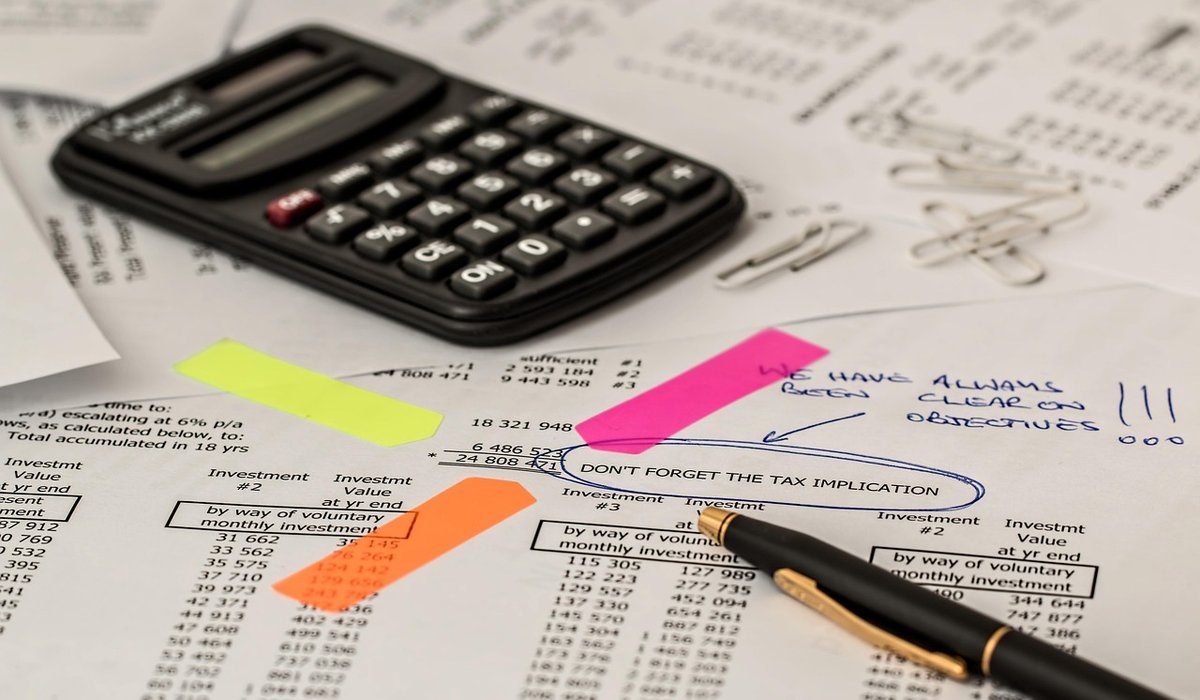
Claiming Allowable Expenses as a Sole Trader
Why Allowable Expenses Are Your Quietest Tax Saving
When you work for yourself, every pound you spend on the business is a pound that isn't taxed as profit. That sounds obvious, but plenty of sole traders either claim too little out of nervousness or too much out of optimism — and both cost you. Claiming allowable expenses correctly is one of the simplest ways to keep your Self Assessment bill fair, and it takes far less effort than most people expect once you build a routine around it.
The principle behind it is simple: you're taxed on your profit, not your turnover. Profit is what's left after you deduct the everyday costs of running your business. So if you invoice £40,000 in a year and spend £8,000 on genuine business costs, you're taxed on £32,000, not £40,000. HMRC allows this because those costs weren't income to you in any meaningful sense — they were the price of earning it.
The Golden Rule: Wholly and Exclusively
Almost every question about expenses comes back to one phrase. A cost is allowable if it was incurred wholly and exclusively for the purposes of your trade. Not mostly. Not mainly. Wholly and exclusively.
In practice, that means a couple of useful tests:
- If you didn't run this business, would you still be paying for this? A laptop you use only for work, yes. Your weekly supermarket shop, no.
- Can you point to a clear business purpose for the purchase? If you'd struggle to explain it to a tax inspector without wincing, leave it out.
- Is the cost yours, or is it something a client or employer should be covering?
Grey areas exist, and dual-purpose items — a phone used for work and family life, a car driven for both — are the classic battleground. You can still claim the business proportion, but you'll need to show how you worked that proportion out.
Everyday Costs You Can Usually Deduct
Most sole traders can claim a broad set of standard running costs without any drama:
- Equipment and tools — laptops, cameras, machinery, specialist software, work clothing with a logo or protective kit such as safety boots.
- Office and premises costs — stationery, printer ink, postage, business insurance, and a share of household bills if you work from home.
- Travel — train fares, parking, congestion charges, and mileage for business journeys.
- Professional fees — accountancy, bookkeeping, legal advice, professional body subscriptions, and industry magazines.
- Marketing — website hosting, domain names, printed leaflets, advertising spend, and stock photography.
- Financial costs — bank charges on a business account and interest on a business loan.
- Training — courses that update or sharpen skills you already use in your trade.
You don't need to itemise every paperclip. If your total business costs are modest, the trading allowance lets you deduct a flat £1,000 instead of working out actual expenses — handy if your record-keeping is lean, though often less generous than claiming properly.
Travel, Vehicles and the Mileage Question
Travel trips people up more than anything else, so it's worth getting straight. Ordinary commuting — from home to a regular workplace — isn't allowable. But journeys to temporary sites, client meetings, suppliers, and trade shows generally are.
For vehicles you have two broad options. You can use simplified expenses and claim a flat rate per mile: currently 45p for the first 10,000 business miles in a car or van, then 25p after that, plus 24p per mile for motorcycles. Alternatively, you can claim actual running costs — fuel, insurance, servicing, repairs — in proportion to business use, alongside capital allowances on the vehicle itself. The flat rate is usually cleaner and easier to defend. Pick one method per vehicle and stick with it.
One caution: a lunch bought on a normal working day isn't allowable, even if you were away from home. Subsistence on an overnight business trip generally is.
Keep Records That Stand Up to Scrutiny
Here's the practical bit. HMRC can ask to see your records, and you need to keep them for at least six years after the 31 January filing deadline for the relevant tax year. Digital is fine and much easier to search — a simple folder structure by tax year and category will do.
- Scan or photograph paper receipts as soon as you get them; thermal till rolls fade to blank within months.
- Keep the invoice, not just the card statement. A bank line showing £240 to a supplier proves you paid, not what you bought.
- Note the business purpose on anything ambiguous — "client site visit, Manchester" takes five seconds and answers the question later.
- Record mileage as you go, with date, destination, purpose and miles. Reconstructing a year of journeys from memory never goes well.
- Separate personal and business spending where you can. A dedicated account makes the year-end sort dramatically faster.
Capital Items and Spreading the Cost
Bigger purchases — a new van, a decent laptop, a piece of machinery — are usually treated as capital allowances rather than straightforward expenses. The Annual Investment Allowance lets most sole traders deduct the full cost of qualifying plant and machinery in the year of purchase, up to £1 million. So a £2,500 laptop bought in June can often come off that year's profit in full, rather than being written down over several years.
If you use something privately as well as for work, only the business share qualifies. Keep the calculation simple and write it down.
Build the Habit, Not the Panic
Nobody enjoys receipts. But the traders who find Self Assessment painless aren't more disciplined than you — they've just made the job smaller and more frequent. Ten minutes a week, a shoebox or a phone folder, and a short note about what each purchase was for is genuinely enough.
If you're unsure about a particular cost, ask before you claim rather than after. A quick question to an accountant costs far less than unpicking an enquiry, and it means you can claim every legitimate expense with confidence — which is exactly the point.


Budgeting
-
Savings can cover small repairs and excess payments, helping you avoid claims that might raise future premiums unnecessarily.


Investing




-

Long established fact that a reader will be distracted
-

Long established fact that a reader will be distracted
-

Long established fact that a reader will be distracted



Saving
Karla Gleichauf
12 May 2017 at 05:28 pm
On the other hand, we denounce with righteous indignation and dislike men who are so beguiled and demoralized by the charms of pleasure of the moment
M Shyamalan
12 May 2017 at 05:28 pm
On the other hand, we denounce with righteous indignation and dislike men who are so beguiled and demoralized by the charms of pleasure of the moment
Liz Montano
12 May 2017 at 05:28 pm
On the other hand, we denounce with righteous indignation and dislike men who are so beguiled and demoralized by the charms of pleasure of the moment