

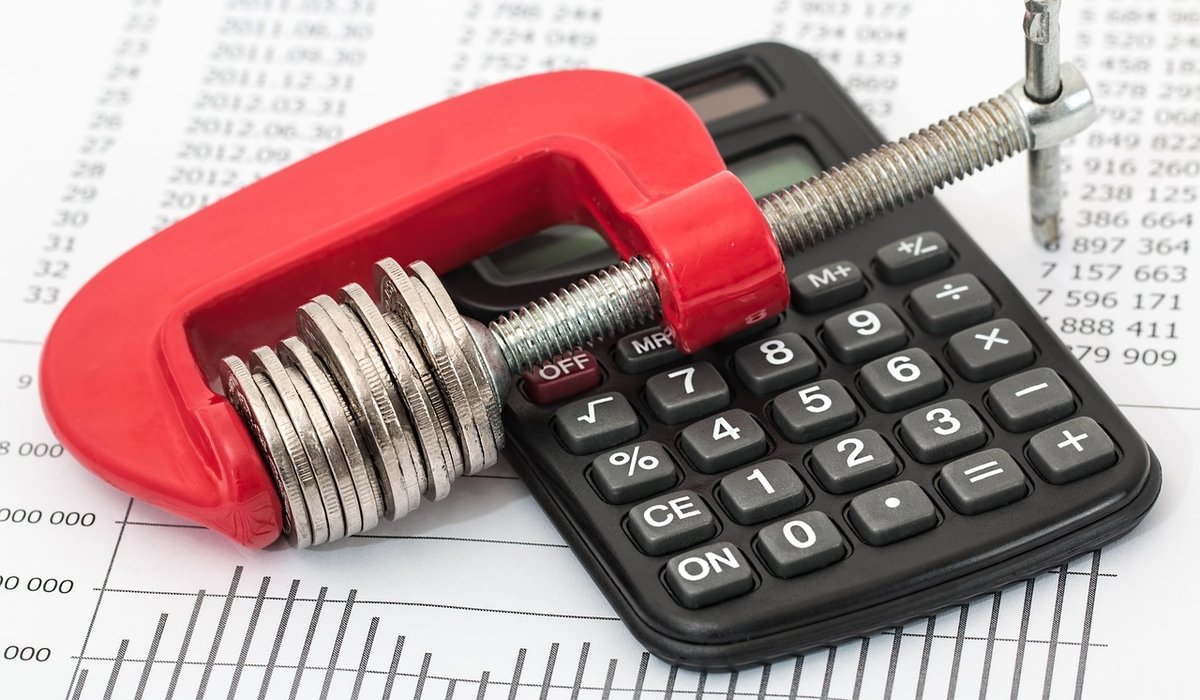
Overpaying Your Mortgage Versus Saving Cash
Put Your Emergency Fund First
Before a single extra pound goes towards your mortgage, make sure you have a cash buffer you can actually get to. Most advisers suggest three to six months' worth of essential outgoings — your mortgage or rent, council tax, energy, food, transport, insurance and minimum debt payments. If you are self-employed, on a single income, or work in an industry that wobbles, lean towards six months or more.
Why does this matter so much? Because money you have overpaid onto your mortgage is very difficult to get back. Lenders are not obliged to let you re-borrow it, and even those that do may take weeks, charge a fee, or refuse outright if your circumstances have changed. Meanwhile, a boiler that fails in January or a car that needs a new gearbox will not wait for a remortgage.
- Keep the buffer in an easy access account, even if the rate is slightly lower than a fixed bond.
- Split it if you like — a month's spending in instant access, the rest in a notice account earning a bit more.
- Top it up as life changes — a new baby, a bigger house or a job move all raise the right number.
Compare the Rates Like a Spreadsheet, Not a Feeling
The maths is simpler than it looks. Compare what your mortgage costs you in interest with what your savings earn after tax. Whichever number is higher usually wins.
Say your mortgage rate is 4.5% and your savings account pays 5%. On the surface, saving looks better. But savings interest is taxable once it exceeds your Personal Savings Allowance — £1,000 a year for basic rate taxpayers, £500 for higher rate, and nothing for additional rate taxpayers. A basic rate taxpayer earning 5% gross on a large balance could be effectively receiving 4% or less, which flips the decision back towards overpaying.
If you hold savings in a cash ISA, the interest is tax-free, and the annual ISA allowance is generous enough for most households. That makes the comparison clean: a tax-free 5% beats a 4.5% mortgage saving, while a taxed 4% does not.
A few other factors tip the scales:
- Overpayments give a guaranteed, risk-free return equal to your mortgage rate. Savings rates can and do fall.
- Inflation erodes cash but also erodes the real value of your mortgage debt, which is an argument for neither side in particular.
- Overpaying reduces future interest compounding in your favour for the whole remaining term.
Check Your Early Repayment Charge Before You Pay a Penny Extra
This is the step people skip, and it can be costly. Most fixed-rate mortgages allow you to overpay up to 10% of the outstanding balance each year without penalty. Go beyond that and you will typically trigger an Early Repayment Charge of between 1% and 5% of the amount overpaid — or, with some lenders, of the whole balance.
Two practical points:
- Read the small print on how the allowance is calculated. Some lenders use the balance at the start of the year, others at the date of each overpayment, and some measure it monthly rather than annually.
- If your fix ends within six months, wait. You will usually be able to overpay freely once you move onto a variable rate or complete a remortgage, and you avoid the charge entirely.
Also remember that some mortgages, particularly older ones, have no overpayment limit at all. It is always worth checking what you actually agreed to rather than assuming.
Think About Flexibility, Not Just the Percentage
Cash in the bank does something a lower mortgage balance cannot: it lets you respond. Redundancy, illness, a leaking roof, a sudden opportunity — all of these are easier to handle with money you can move today.
If you want the best of both worlds, look at an offset mortgage, where savings sit against the loan and reduce the interest charged while remaining accessible. The trade-off is usually a slightly higher headline rate, so run the numbers carefully.
There is a psychological dimension too. Some people sleep better knowing their mortgage is shrinking; others sleep better knowing the savings account is full. Both are legitimate. The trick is not to let either instinct push you into a decision that leaves you exposed.
A Sensible Order of Operations
If you want a straightforward framework, this works for most UK households:
- First, clear any expensive debt — credit cards, overdrafts and personal loans almost always cost more than your mortgage.
- Second, build three to six months of essential outgoings in accessible cash.
- Third, make sure you are claiming any employer pension match, which is effectively free money.
- Fourth, use your ISA allowance for tax-free saving if the rate beats your mortgage after tax.
- Fifth, overpay the mortgage within the penalty-free allowance, prioritising a reduction in term over a reduction in monthly payment if you can afford it — cutting the term saves far more interest.
Review the position once or twice a year, or whenever rates move. A decision that was clearly right when savings paid 1% may look quite different when they pay 5%, and vice versa. Be boring, be consistent, and check the small print — that is how overpayments and savings quietly work together rather than against each other.


Budgeting
-
Keep receipts for equipment, travel, and professional fees, then deduct legitimate costs to reduce your taxable profit legally.


Investing




-

Long established fact that a reader will be distracted
-

Long established fact that a reader will be distracted
-

Long established fact that a reader will be distracted



Saving
Karla Gleichauf
12 May 2017 at 05:28 pm
On the other hand, we denounce with righteous indignation and dislike men who are so beguiled and demoralized by the charms of pleasure of the moment
M Shyamalan
12 May 2017 at 05:28 pm
On the other hand, we denounce with righteous indignation and dislike men who are so beguiled and demoralized by the charms of pleasure of the moment
Liz Montano
12 May 2017 at 05:28 pm
On the other hand, we denounce with righteous indignation and dislike men who are so beguiled and demoralized by the charms of pleasure of the moment